Tuesday, October 5, 2010

the scarlet letter, symbol 4

Chapter 2

Mr. Dimmesdale

He is the one that has to judge Hester Prynne as she stands on the scaffold. People would compare him to the angel because he was a very silent, well educated man from England how wandered alone as often as he could. In the text he seems pretty lost, the relationship between Mistress Prynne and Mr Dimmesdale are tense. It seems like they must have met before. Mr. Dimmesdale is responsible for for Hester Prynne's soul, but it doesn't seem like he wants to be it, maybe if they met before it has to do with something that happened?

advocate, acclaim

Advocate
I hired this advocate for less homework in High School.

Acclaim
He acclaimed her after completing the marathon. 

vocabulary

Advocate (noun)
A person who publicly support or recommends a particular case or policy.


Acclaim (verb)
Praise enthusiastically and publicly.


Affinity (noun)
A natural liking or sympathy for someone or something.


Aberration (noun)
A departure from what is normal, usual, or expected, typically one that is unwelcome.


Aesthetic (adjective)
Concerned with beauty or the appreciation of beauty.


Abstinence (noun)
The face or practice of restraining oneself from indulging in something, typically alcohol.


Aggrandizement (verb)
Increase the power, status or wealth.


Admonish (verb)
Warn or reprimand someone firmly.


Abstract ( adjective)
Existing in thought or as an idea but not having a physical or concrete existence.


Acquiesce (verb)
Accept something reluctantly but without protest.

Wednesday, September 29, 2010

the scarlet letter, symbol 3

Chapter 2


Comparing the rose-bush to the scarlet letter

In chapter 2, Hester Prynne stands on the scaffold outside the prison in front of everyone. She is wearing the scarlet letter, A, which stands for adultery. While she is standing there, she is holding her little baby, which is her punishment for cheating on her husband. We can compare the scarlet letter to the rose-bush mentioned in chapter one. The rose-bush has a direct connection to Anne Hutchinson, who stood out for what she meant. Hester Prynne is also compared to Anne Hutchinson, which leads to the rose-bush and the scarlet letter. Just as the rose-bush is connected to Anne Hutchinson, the scarlet letter is connected to Hester Prynne.


Tuesday, September 21, 2010

obtuse, adroit, deleterious

Obtuse (adj)
The little boy had some obtuse ways to explain things.

Adroit (adj)
The professor had adroit thoughts.

Deleterious (adj)
To drink too much alcohol can be deleterious.

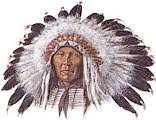
MOHEGANS


Mohegans belonged originally to the Pequot tribe
, they came from the upper Hudson River valley in N.Y, and moved then to the Thames River valley in Connecticut. After the Pequot and Mohegans separated, the Mohegans owned the northern and western parts of the Thames River valley
- The difference between the two tribes were few, but the Mohegans were called the “good indians” because they were allied to the English men, while the Pequot were called the “bad indians” because they fought the colonists, and also destroyed in only five years. The Mohegans men were hunters, the women were farmers and were responsible for the children. They harvested corn, squash, beans and gatherd fruits and nuts for food. Mohegans were known for their beadwork and basketry. From 1634 on the population of the Mohegan tribe continuously dropped, mainly because of diseases, so some tribes merged together. Their source of wealth was wampum.


Friday, September 17, 2010

US History

3) Purtians traveled to the New World because they wanted religious freedom, and set up colonies.

4) Purtians and Pequots meaning by:

Land and property
The Pequot people meant that you don't own the land, you just use it the for the time you are there. The Purtians meant that you own the land by settling something on it.

Division of labor and gender
In the Native culture the women did most of the work, while the man just were out hunting, came home and rest. For the the Purtians the men did most of the work.

Warfare
The Purtians believed the idea of total war was to get rid of a total culture, but the Natives didn't think so, and they didn't practice it.

5) The Dutch wanted to be friends with the Natives, trade and have their land, while the British were there to just take it and settle.

12) The Mystic massacre made it acceptable for everyone to take over the Native land.